The vineyards near Courmas in the Petite Montagne de Reims, where Simon Rion makes his champagne
Champagne from several years

Non-Vintage

Non-Vintage is champagne without a year on the label: a blend of wine from several harvests. That way a house makes a champagne in its own style every year. With us you will find Non-Vintage from six Champagne houses, some with a reserve that has been topped up for decades.

YearsSeveral harvests in one bottle
On the leesAt least 15 months
ShareMore than 75% of all champagne
The secretReserve wine
With usSix Champagne houses
What is Non-Vintage?

The signature of a house

No harvest is the same: one year is warm and ripe, another cool and crisp. By blending wine from the latest year with wine from earlier years, the reserve wine, a house still makes a champagne in its own style every year. More than three quarters of all champagne is made this way.

So Non-Vintage is not a lesser champagne. Reserve wine adds softness, depth and character, and the wine is often ready to drink sooner than a champagne from a single year.

All our champagnes come from eight champagne houses.

Free shipping from €50

In the Netherlands and Belgium

Eight champagne houses

From eight Champagne houses

Reserve wine

Three ways to blend years

Reserve wine may only be used in a champagne without a year. Each house keeps it in its own way, in tanks, casks or bottles. At our houses you see three approaches.

Base plus reserve

A young year with a few older ones

The classic way: wine from the latest year, topped up with wine from one or more earlier years. The reserve wine is usually one to three years old.

  • L'Émergente from Régis Poissinet: 2022, 2020, 2019 and 2018, with 11% reserve wine
  • Terre d'Irizée from Régis Poissinet: 2017, 2016 and 2015
Réserve perpétuelle

A reserve that never runs out

Each year the winemaker draws part of the wine from a cask or tank of reserve wine and tops it up with the new harvest. That way every bottle contains a little of all the years since the start. This is also called vin perpétuel or solera.

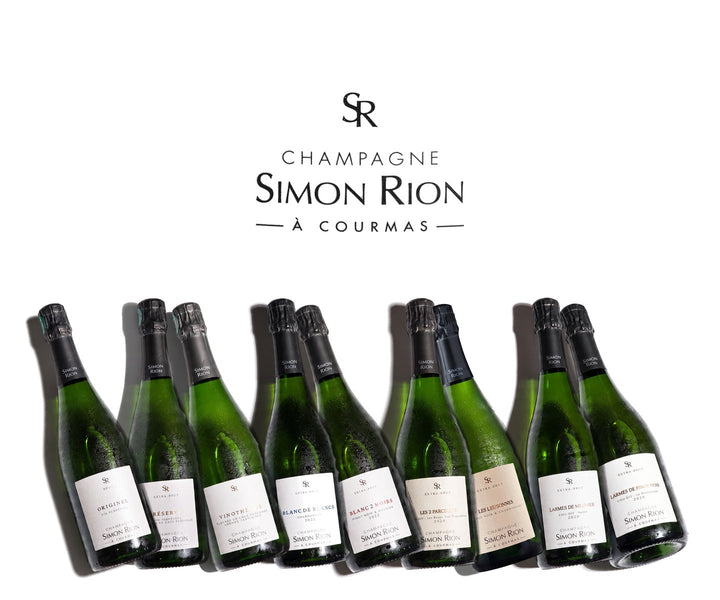
  • Originel, Réserve and Vinothèque from Simon Rion: 40% reserve going back to around 1990
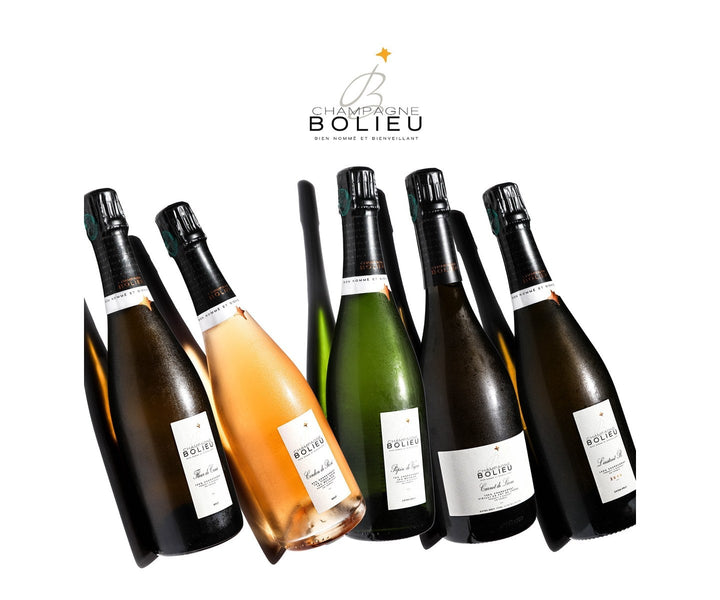
  • Fleur de Craie and Pepin de Vigne from Bolieu: a reserve topped up since 2002
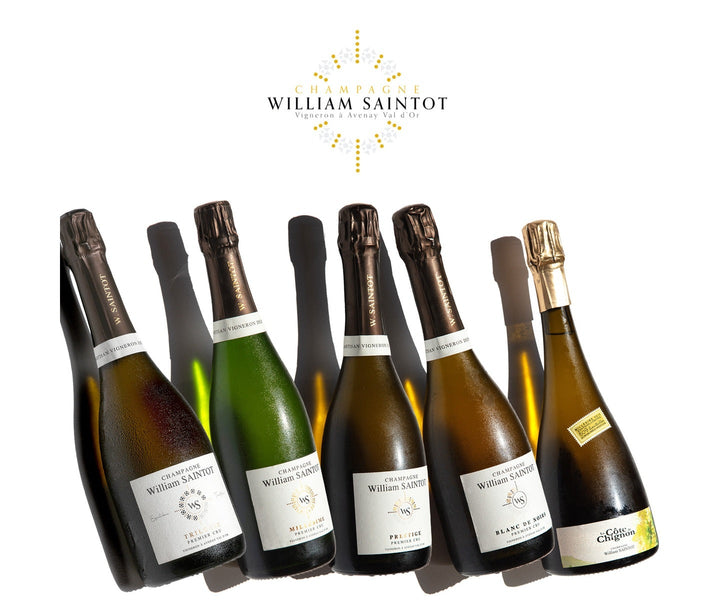
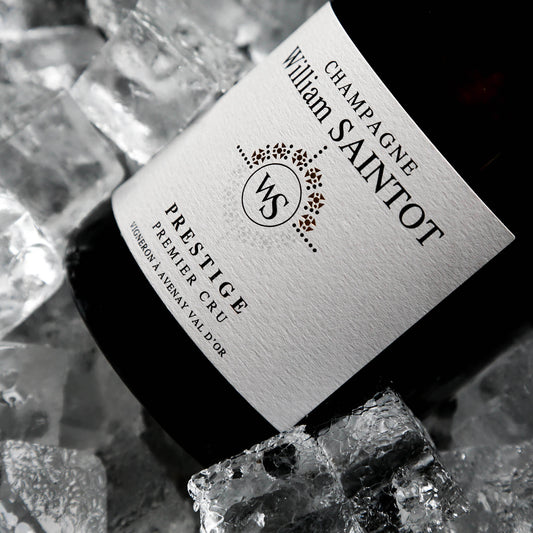
  • Prestige from William Saintot: 30% solera, since 2010
Two years far apart

An old year with a young year

Sometimes a house combines two years that are far apart. Des Amoureux from Henry de Vaugency is 90% wine from 2011 and 10% from 2020: the ripeness of an old year with the freshness of a young one.

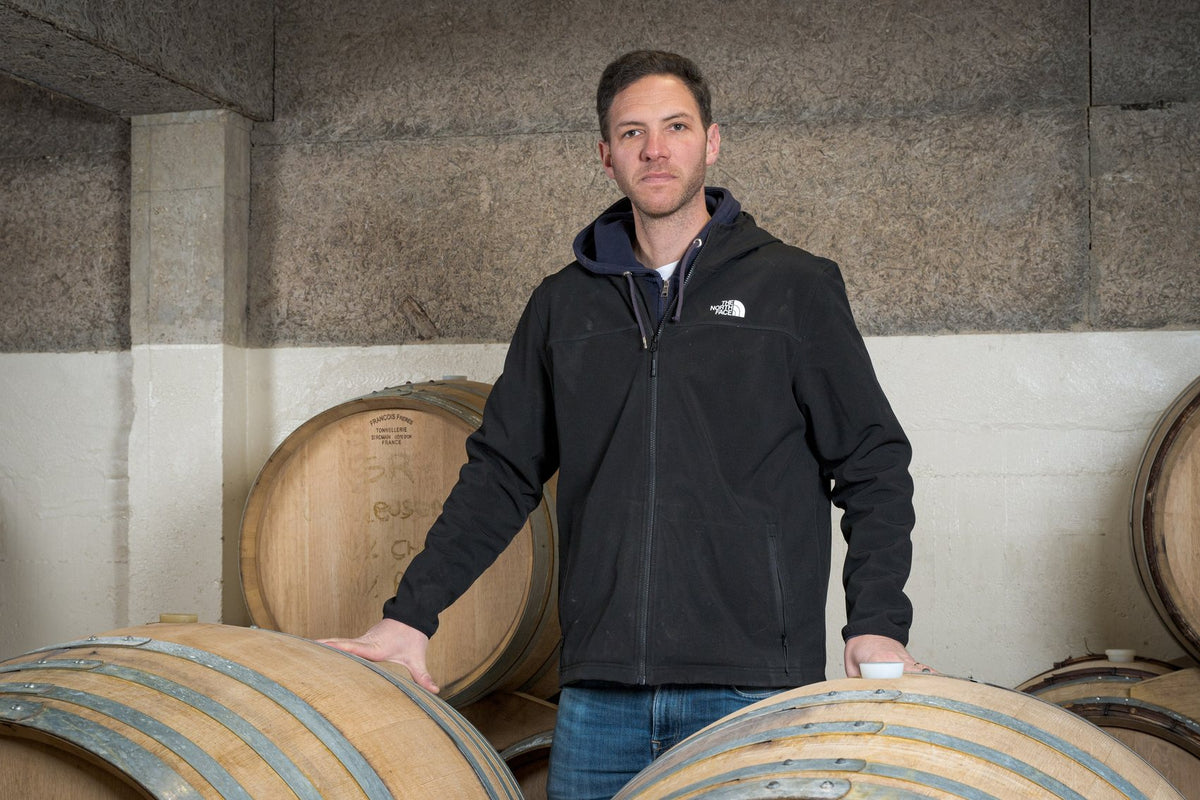
Simon Rion among the oak casks in his cellar in Courmas
Taste the difference

The same reserve, a different base year

At Simon Rion you can clearly see what a base year does. His Originel, Réserve and Vinothèque all contain 40% of the same réserve perpétuelle. The difference lies in the base wine, and in how long the bottle has matured.

  • Originel: base wine from 2021, a Brut with 4.5 grams.
  • Réserve: base wine from 2013; the magnum has a base from 2012.
  • Vinothèque: base wine from 2006.
Good to know

Non-Vintage or Vintage?

  • Non-VintageSeveral harvests, may contain reserve wine, at least 15 months on the lees. The same style every year.
  • VintageOnly wine from the year on the label, at least 36 months on the lees. A little different every year.
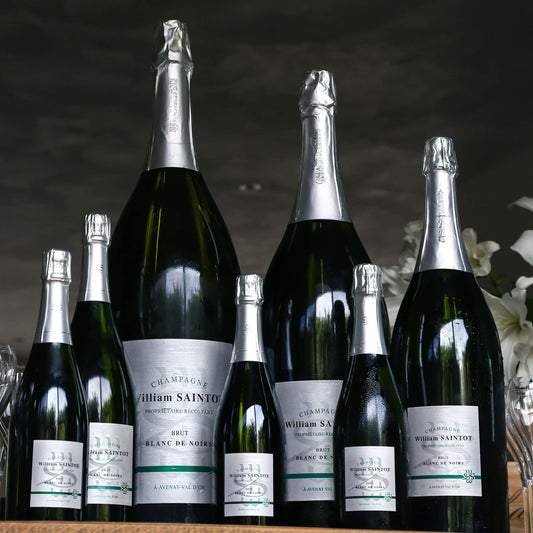
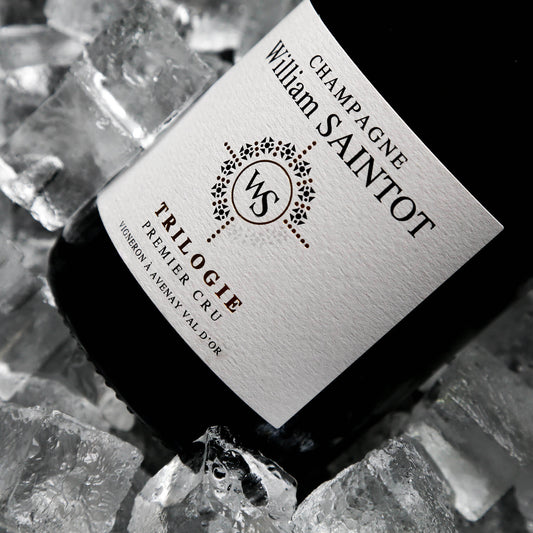
  • One year without a year on the labelA champagne from a single harvest that has no year on the label also counts as Non-Vintage. The Blanc de Blancs and Trilogie from William Saintot, for example, come entirely from 2022.

The legal 15 months is a minimum. Many houses leave their champagne on the lees for much longer, and you can taste it: the flavours become rounder and the mousse creamier.

At the table

The champagne for every day

A Non-Vintage is made to be balanced, and that makes it very versatile. A fresh, young blend is a lovely aperitif. A Non-Vintage with a lot of old reserve, such as Vinothèque from Simon Rion, has enough depth for a meal.

Serving

8 to 12 degrees

Serve a young Non-Vintage at 8 to 10 °C. A blend with a lot of reserve or oak can be served at 10 to 12 °C. Keep the bottle cool, dark and lying down until you open it.

Good to know

Frequently asked questions about Non-Vintage champagne

What does Non-Vintage mean?

That there is no harvest year on the label. Usually the champagne is a blend of wine from several years: the latest year, topped up with reserve wine.

Is Non-Vintage less good than Vintage?

No. It is a different choice. A Vintage shows one year, a Non-Vintage shows the style of a house. A Non-Vintage with an old reserve can be very complex.

What are reserve wines?

Wine from earlier harvests that a house keeps to blend later. It adds softness, depth and character, and helps to make the same style every year. Reserve wine may only be used in a champagne without a year.

What is a réserve perpétuelle or vin perpétuel?

A reserve that never runs out completely: each year part of it is taken out and the new harvest is added. At Simon Rion that reserve goes back to around 1990, at Bolieu to 2002.

How long does a Non-Vintage mature?

At least 15 months on the lees, as the rules require. Many houses take plenty of time: at the large houses, twenty months to four years is common.

Can I keep a Non-Vintage?

Yes, for a few years, cool and dark. It then becomes rounder and develops more toasty notes. But a Non-Vintage is made to be drunk now, so there is no need to wait.

Advice

Need help choosing?

Tell us who it is for and roughly what you want to spend, and we will help you choose. Or let the champagne finder pick a bottle for you in a few questions.

Email info@selectedbydronk.nl or WhatsApp us on +31 6 81 65 14 70.