Harvest at sunrise in a vineyard of Champagne Liébart-Régnier in the Vallée de la Marne
Still wine from Champagne

Coteaux Champenois

Coteaux Champenois is the still wine of Champagne: the same region and the same grapes as champagne, but not sparkling. With us you will find red, white and rosé from four Champagne houses, from Pinot Meunier vines planted in 1919 to the forgotten grape Petit Meslier.

WhatStill wine, not champagne
ColoursRed, white and rosé
AppellationCoteaux Champenois, since 1974
AreaThe same as for champagne
MadeOnly in years that suit it
With usFour Champagne houses
What is Coteaux Champenois?

The still wine of Champagne

A Coteaux Champenois comes from the same region, from the same plots and from the same grapes as champagne. But it does not get a second fermentation in the bottle, and so it is not sparkling. It comes in red, white and rosé.

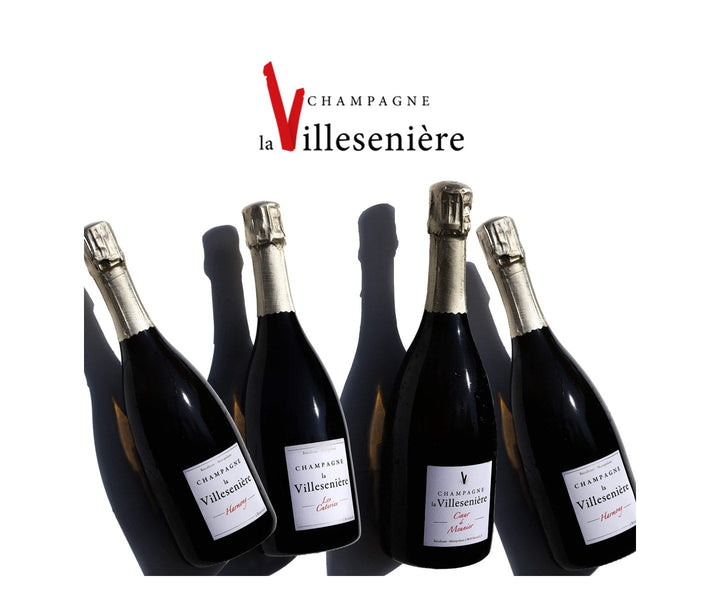
The label may carry the name of the village the grapes come from. That is why the red wine from La Villesenière is called Boursault Rouge.

We bring them back from the houses we also choose our champagne from.

Free shipping from €50

In the Netherlands and Belgium

The grapes

The grapes in our Coteaux

There are eight main grape varieties for Coteaux Champenois. Three of them are the main champagne grapes: Pinot Noir, Meunier and Chardonnay. The other five are rare: Arbane, Petit Meslier, Pinot Blanc, Pinot Gris and Chardonnay rose. In our Coteaux you taste four of them. For each grape you can read what it contributes, and in which of our bottles you taste it.

Many Coteaux are made from black grapes. According to the viticulturist Jules Guyot, they withstand frost and rain better, and ripen faster.

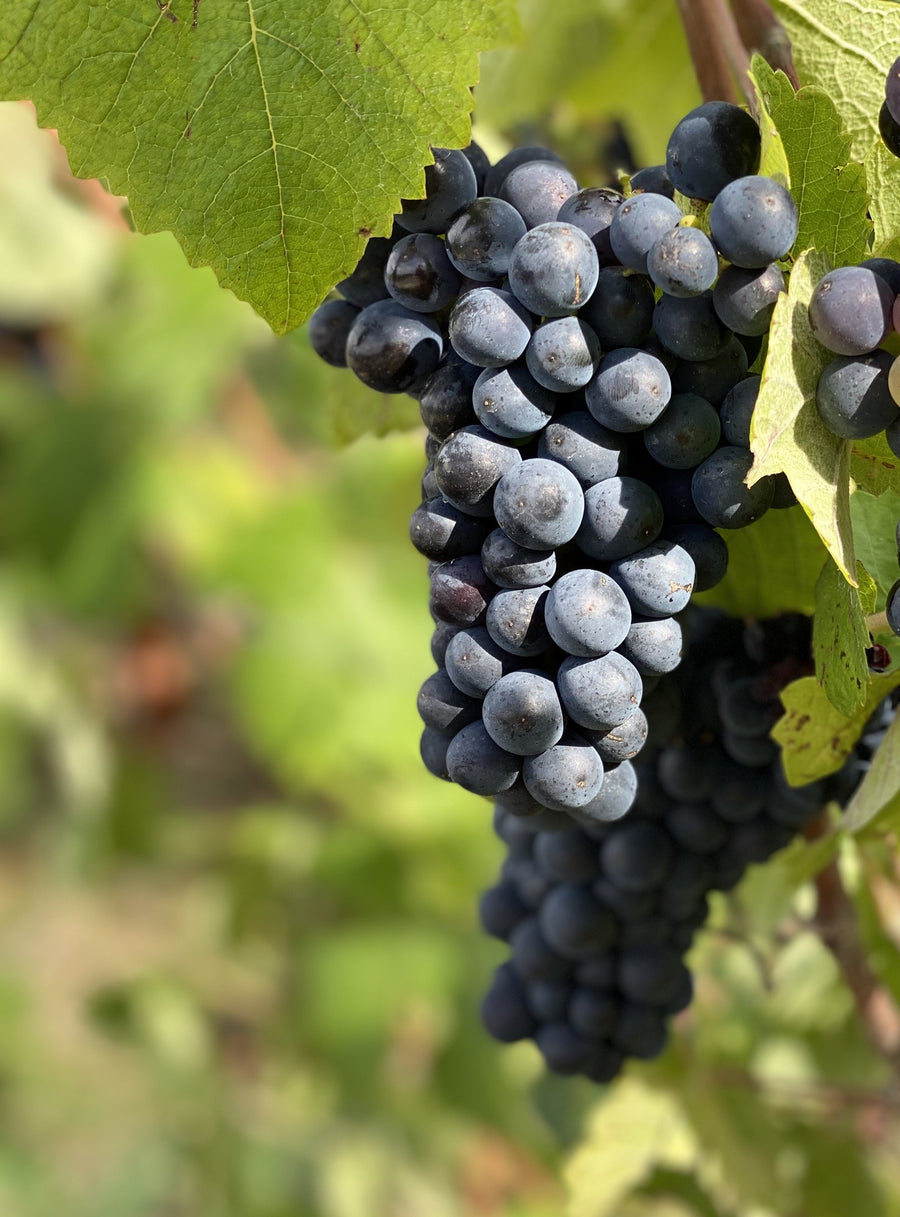
A bunch of Pinot Noir on the vine at Champagne Liébart-Régnier
Body and structure

Pinot Noir

The most planted grape in Champagne, on 38% of the vineyards. In champagne it gives body and structure, with aromas of red fruit and of flowers such as rose and violet. Together with Meunier it is one of the two black grapes allowed for Coteaux; the specification names those two for red and rosé Coteaux.

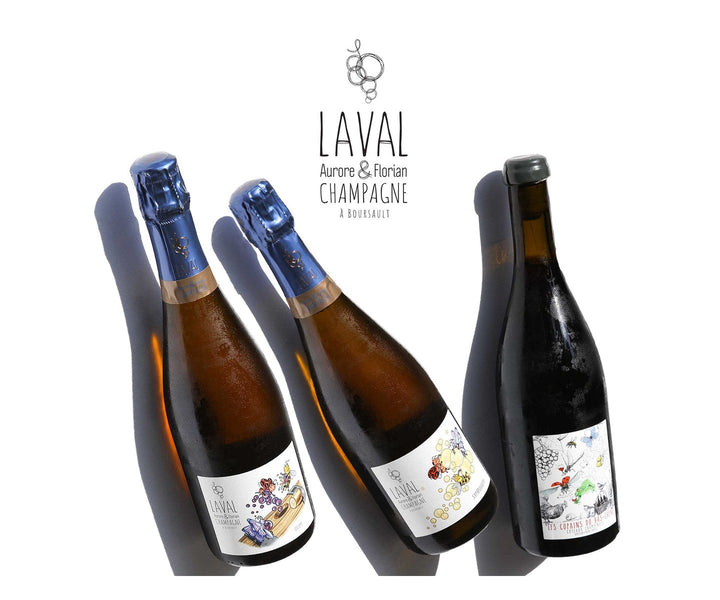
Les Copains du Bas-Chêne, a red Coteaux from Aurore & Florian Laval, comes from vines planted in 1968 on the lieu-dit Le Bas-Chêne in Boursault. It ferments with indigenous yeasts in oak barrels.
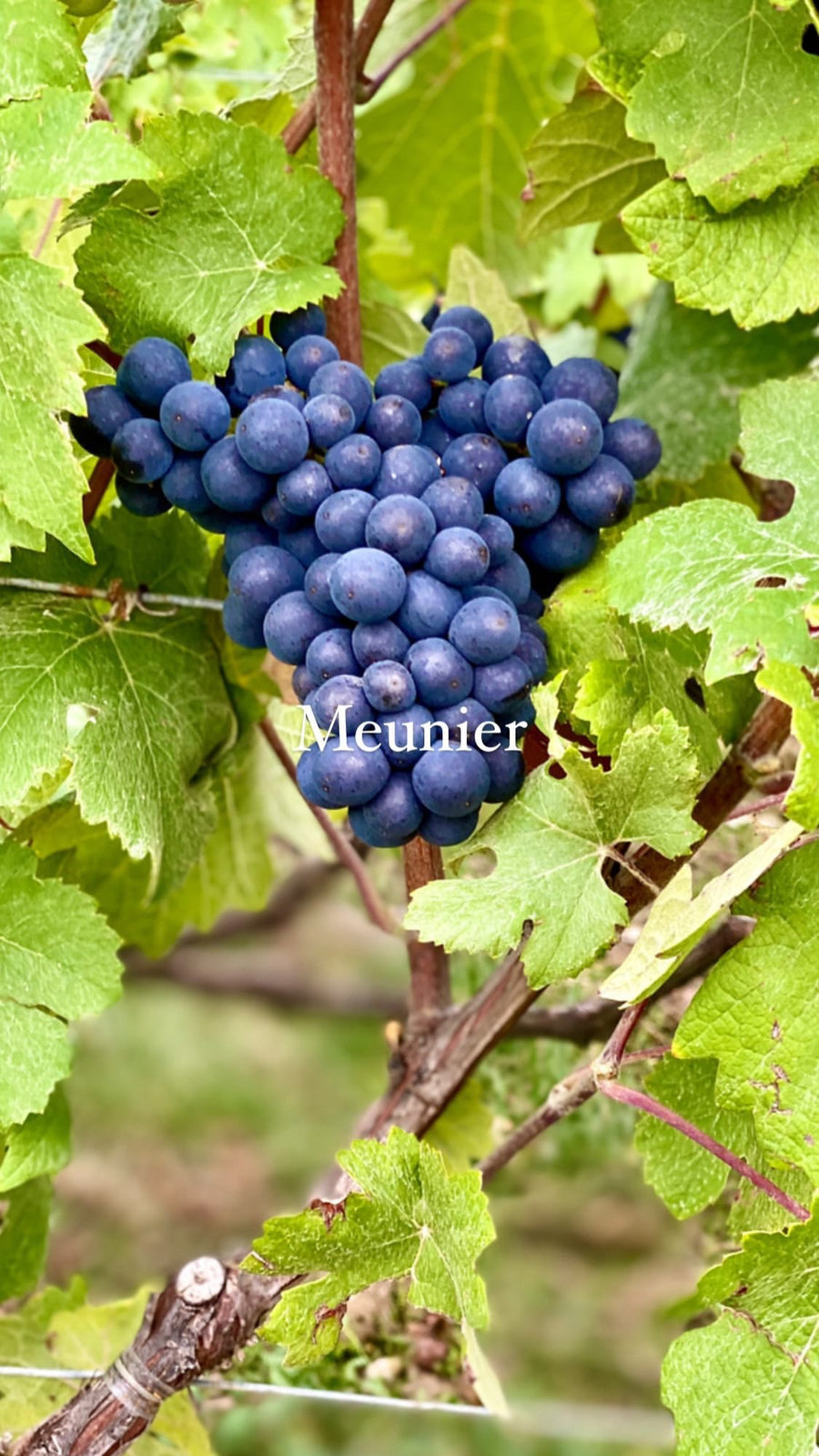
Bunches of Meunier on the vine at Champagne Liébart-Régnier
Roundness and fruit

Meunier

Meunier, also called Pinot Meunier, grows on 31% of the vineyards and is at home in the Vallée de la Marne. In champagne it adds roundness: supple, fruity wine with notes of yellow fruit, which usually develops faster than wine from Pinot Noir and Chardonnay. It copes better with spring frost than those two.

La Villesenière makes a red wine from it in Boursault, from a plot planted in 1919. Régis Poissinet makes a white and a rosé from it in Cuchery, in oak barrels with indigenous yeasts.

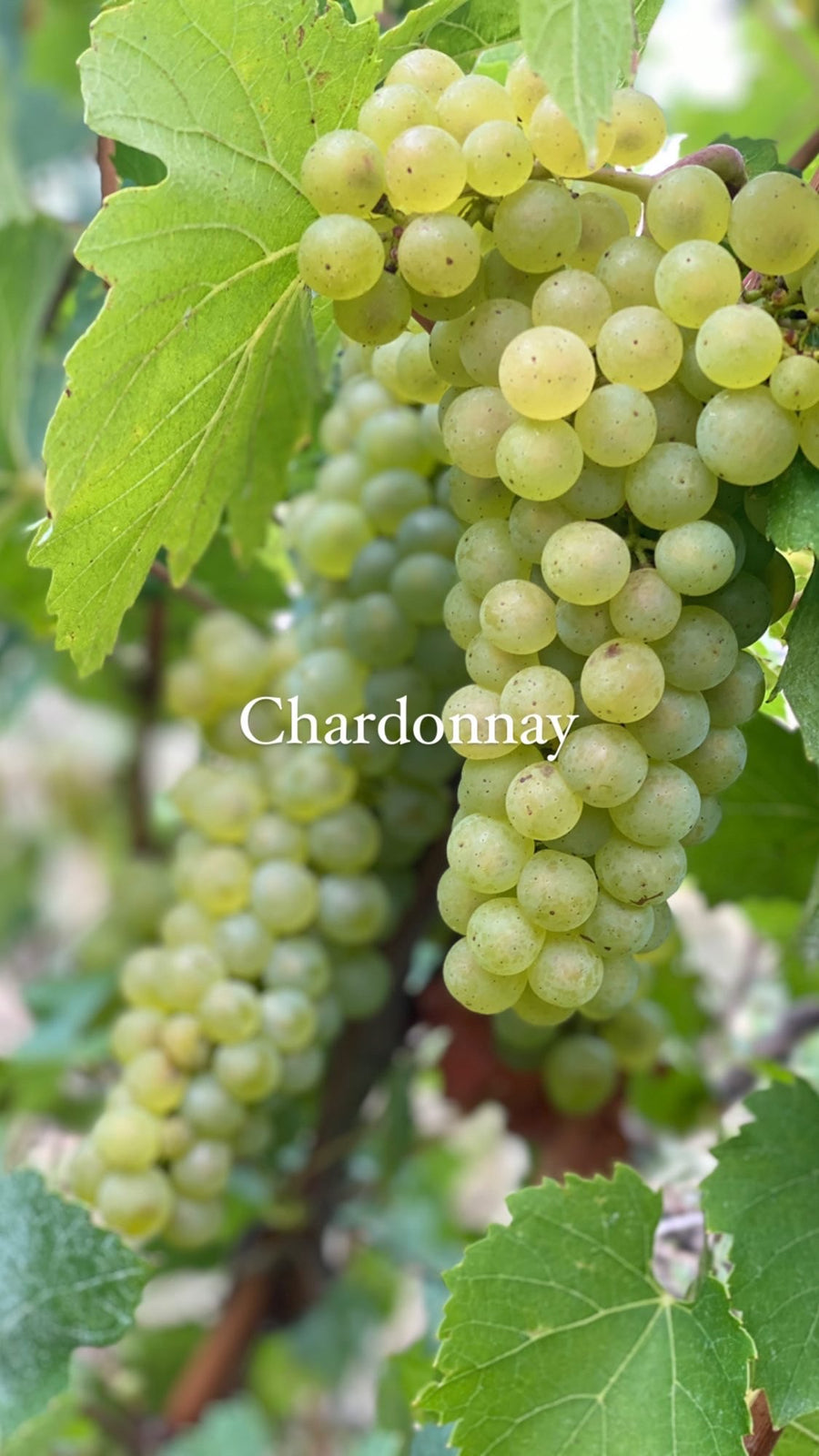
Bunches of Chardonnay on the vine at Champagne Liébart-Régnier
Freshness and ageing potential

Chardonnay

The great white grape of Champagne, on 31% of the vineyards. It is particularly suited to chalk that comes right up to the surface, as in the Côte des Blancs. In champagne it brings great freshness and delicate aromas of flowers and citrus, sometimes a mineral touch, and it is an ideal grape for wine that is kept for a long time.

La Mule, a white Coteaux from Aurore & Florian Laval, comes from old vines on the plot Le Moulin La Mule in Boursault, rooted deep in limestone.

Bunches of Petit Meslier on the vine at Champagne Liébart-Régnier
Citrus and liveliness

Petit Meslier

An old white grape, in Champagne since the sixteenth century. In 2025 there were fewer than 21 hectares of it. It yields little and ripens later than Chardonnay and Pinot Noir. When fully ripe it is fresh and lively, with fine notes of lemon, and in champagne it gives a smoky nose that you find again on the palate.

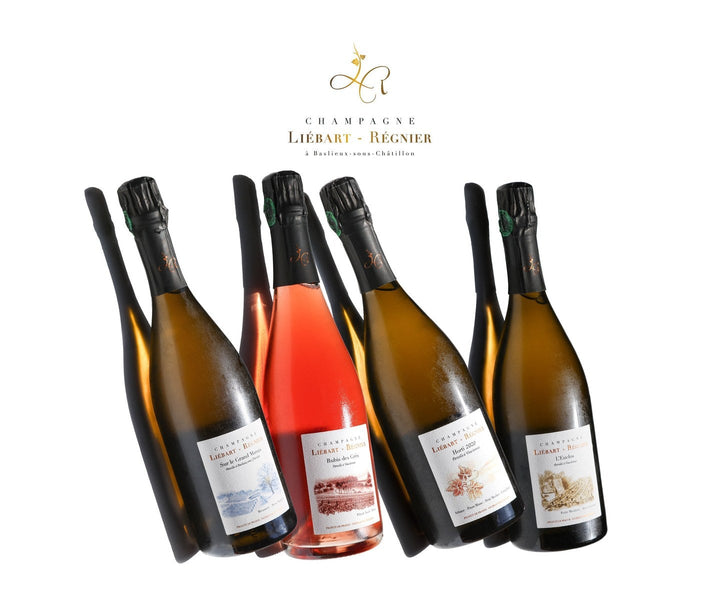
Liébart-Régnier makes Coteaux L'Enclos from it, from the lieu-dit L'Enclos in Baslieux-sous-Châtillon, in oak barrels and with full malolactic fermentation, which softens the acidity.

Also allowed

The rare grapes

Besides Petit Meslier, four more rare grapes are allowed in a Coteaux. Together the rare varieties cover less than one percent of the vineyards. They were forgotten for a while, but are getting attention again for the flavours they bring.

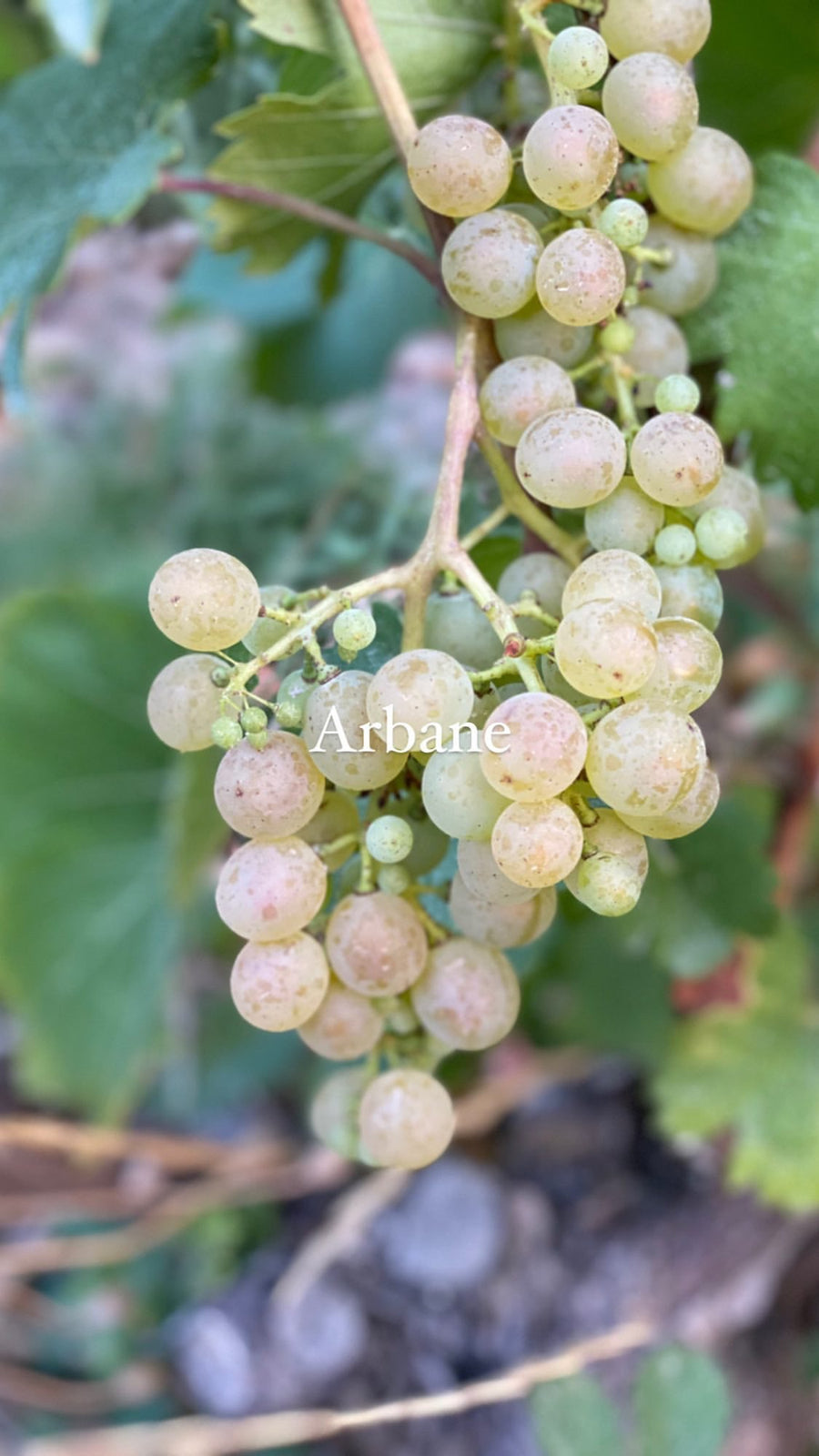
Bunches of Arbane on the vine at Champagne Liébart-Régnier
Finesse and flowers

Arbane

A very rare grape, and a difficult one: it ripens late, is sensitive to bad weather and is hard to press. Yet in champagne it brings great finesse, with aromas of flowers such as hawthorn and carnation and of fruit such as vineyard peach, apple and quince.

With us you taste it in the champagne Hortï 2020 from Liébart-Régnier.

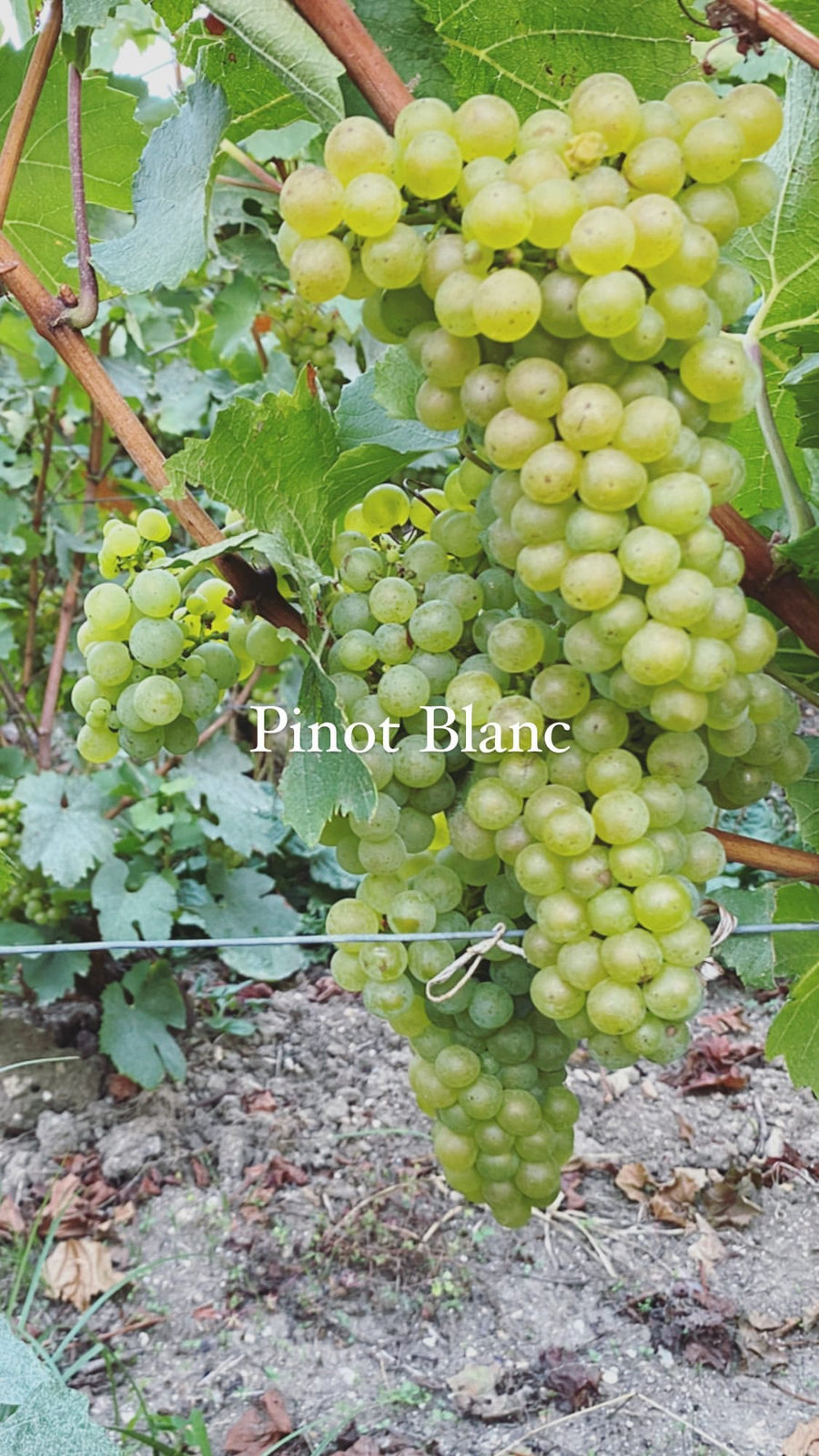
Bunches of Pinot Blanc on the vine at Champagne Liébart-Régnier
Volume and power

Pinot Blanc

Pinot Blanc belongs to the Pinot family: it is derived from Pinot Gris, and so from Pinot Noir. In champagne it gives volume and power, and it produces more regular crops than Pinot Gris. Most of it grows in the Côte des Bar, often on chalky marl.

It too is in the Hortï 2020 from Liébart-Régnier, together with Arbane and Petit Meslier.

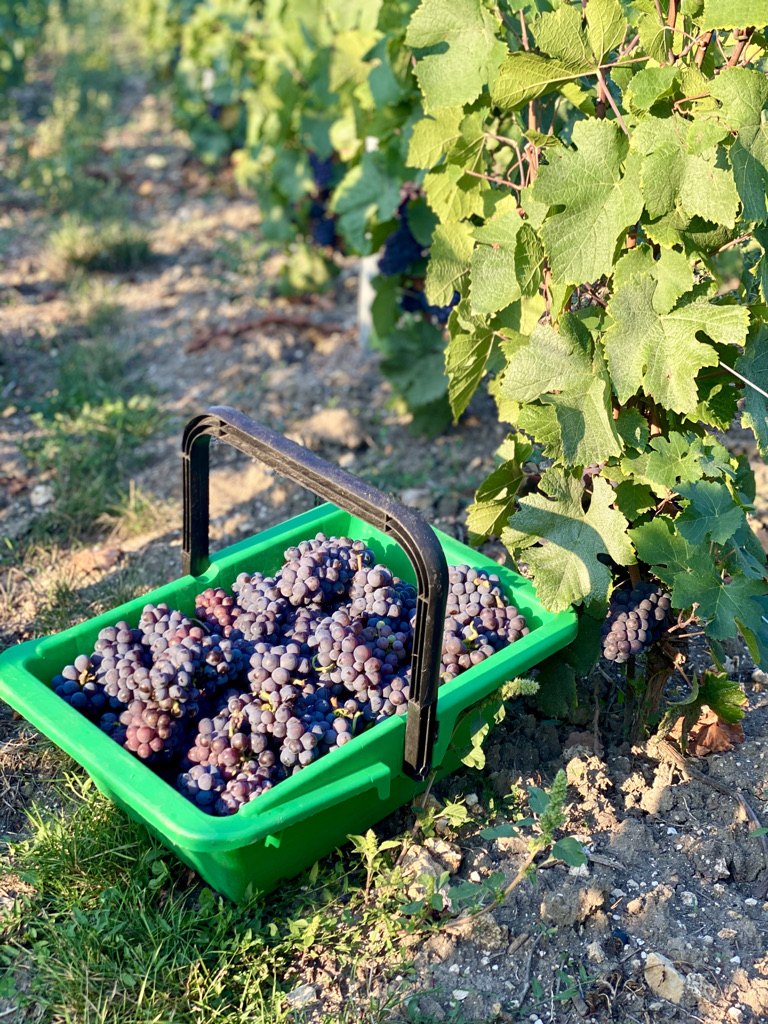
Pinot Gris in a picking basket at Champagne Liébart-Régnier
Smoke and dried fruit

Pinot Gris

The grey mutation of Pinot Noir: the same plant, but with a grey skin. It has low to moderate acidity and builds up a lot of sugar. In champagne it gives pronounced notes of dried fruit and smoke, which is why in Champagne it is also called l'enfumé, the smoked one. It ripens early and yields little.

Chardonnay rose has been on the list since 2025. It is a natural mutation of Chardonnay with a pink skin, already found in Champagne at the start of the twentieth century. Its wine is very similar to that of white Chardonnay. You cannot make a rosé from Chardonnay rose alone, because the skin holds little colour.

Voltis is also admitted, a grape intended to help viticulture adapt. A winegrower may only plant it under a separate agreement with INAO, on at most 5% of their vineyard. A wine may contain at most 10% Voltis, and never Voltis alone.

Photos of the grapes: Champagne Liébart-Régnier.

Three generations of the Michez family in the vineyard of La Villesenière
The history

First there was still wine

Still wine is the original wine of Champagne. Until the eighteenth century the region made mostly red wine. It was only once the second fermentation in the bottle had been mastered that sparkling wine grew into the champagne we know today, and red wine went into decline. Only a few great wines from the Montagne de Reims, the Grande Vallée de la Marne and the Aube kept their reputation.

We owe the survival of still wine to a few growers who kept the tradition alive.

  • From 1328: the red wine of Champagne is among the great wines at the coronations in Reims.
  • At the court of Louis XIV: connoisseurs call themselves l'ordre des Coteaux and make the wines famous.
  • 1927: from then on, the name champagne is reserved for sparkling wine.
  • 1953: the still wine is named vin nature de Champagne.
  • 1974: the still wine gets its own appellation, Coteaux Champenois.
  • 1977: it may only leave the region in bottle, to combat fraud involving bulk wine.
Florian Laval among the vines during the harvest
Why there is so little of it

Only in a good year

A Coteaux Champenois is only made when the harvest lends itself to a still wine. In a cold or wet year there is often none at all, so the quantity varies greatly from year to year.

That has long been the case. In 1822 the wine connoisseur André Jullien counted the red wines of Verzy, Verzenay, Mailly, Saint-Basle, Bouzy and the clos of Saint-Thierry among the best wines of France, when they came from a very hot and dry year.

  • Only healthy grapes, from the mildest years.
  • Harvested only once the grapes are fully ripe.
From plot to bottle

Not from every plot

Coteaux Champenois may be made throughout the champagne region, but a good still wine is far from possible on every plot. A Coteaux has no mousse and no dosage: what the plot, the vines and the year give, you taste directly. That is why the winegrowers set aside their best grapes for it, grapes that would otherwise have gone into their champagne.

Vineyards of Champagne Aurore & Florian Laval in Boursault, Vallée de la Marne
The plot

The best slopes

The best-known places for Coteaux lie on slopes facing east and south. They catch the most light in spring and autumn, which helps flowering and ripening. Thanks to the slope, excess water drains away by itself, and chalk in the subsoil gives water back in dry spells.

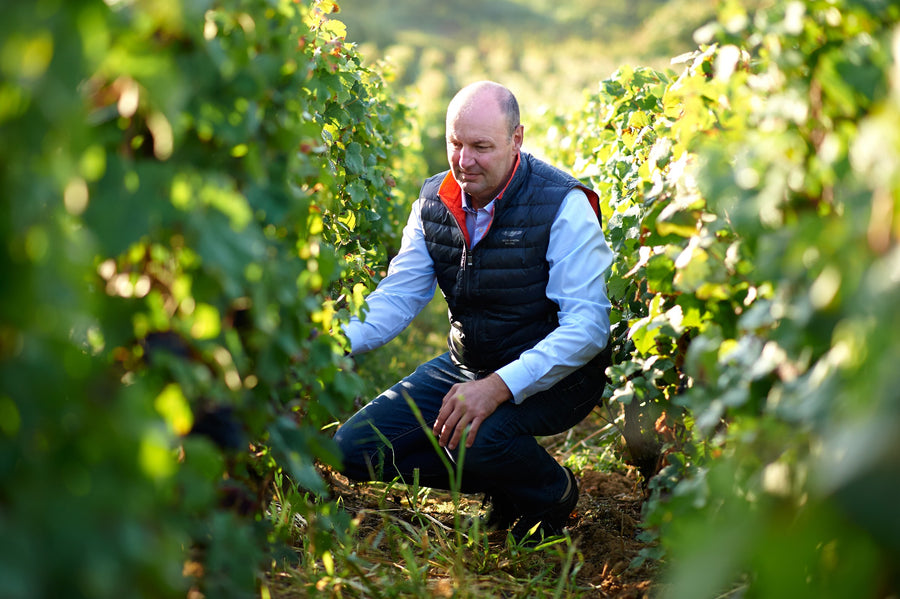
Régis Poissinet among his vines in the Vallée de la Marne
The vines

Old vines

The grapes usually come from old vines. They bear fewer and smaller bunches, and their roots reach deep into the ground. That gives the wine more concentration and complexity. At Régis Poissinet the vines are 35 years old on average.

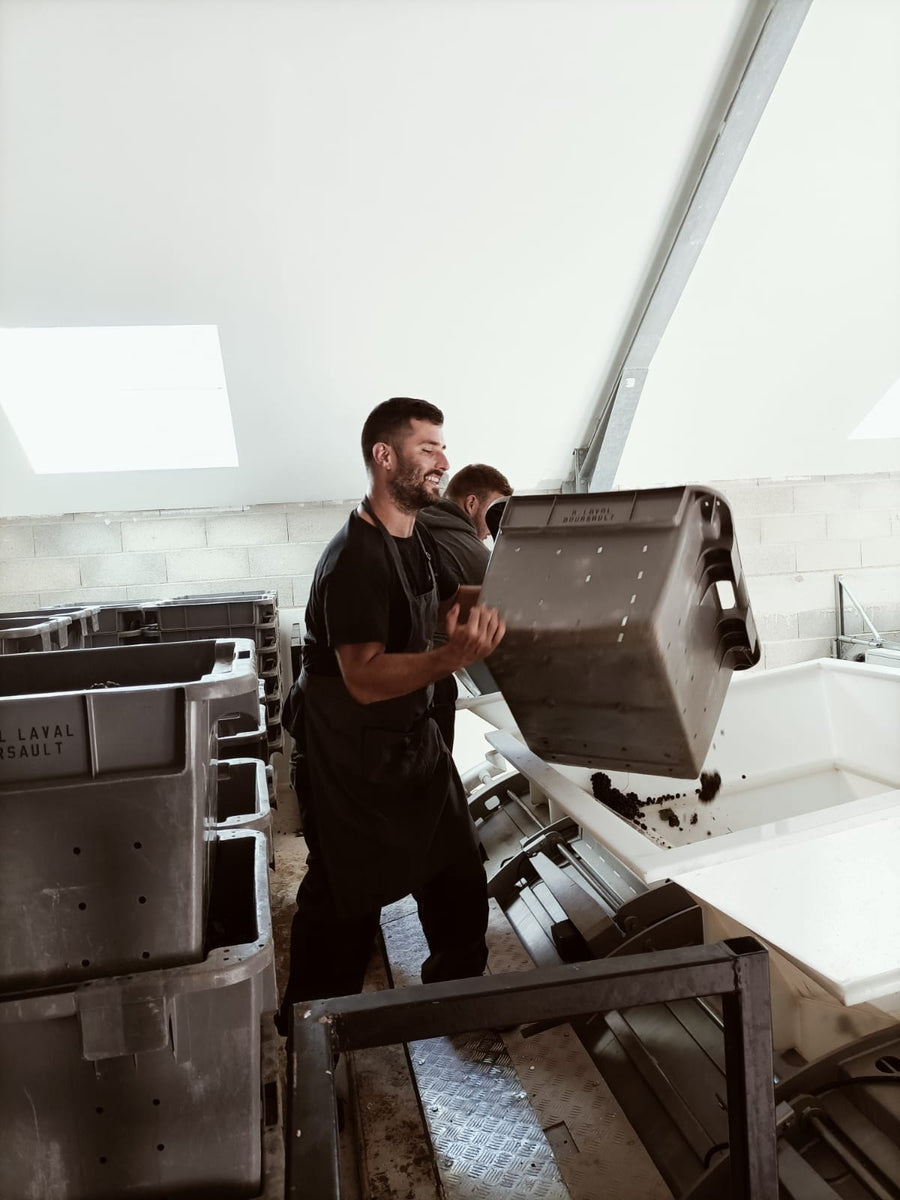
Harvest at Champagne Aurore & Florian Laval in Boursault
The harvest

Whole bunches

The bunches must stay whole, so they are picked by hand, into crates with small holes so that no juice is left standing. For a white wine from black grapes, the pressing is gentle, so that the juice takes on no colour. That is how Régis Poissinet makes a white Coteaux from Pinot Meunier.

Oak casks in the cellar of Champagne Régis Poissinet
The cellar

Time in barrel

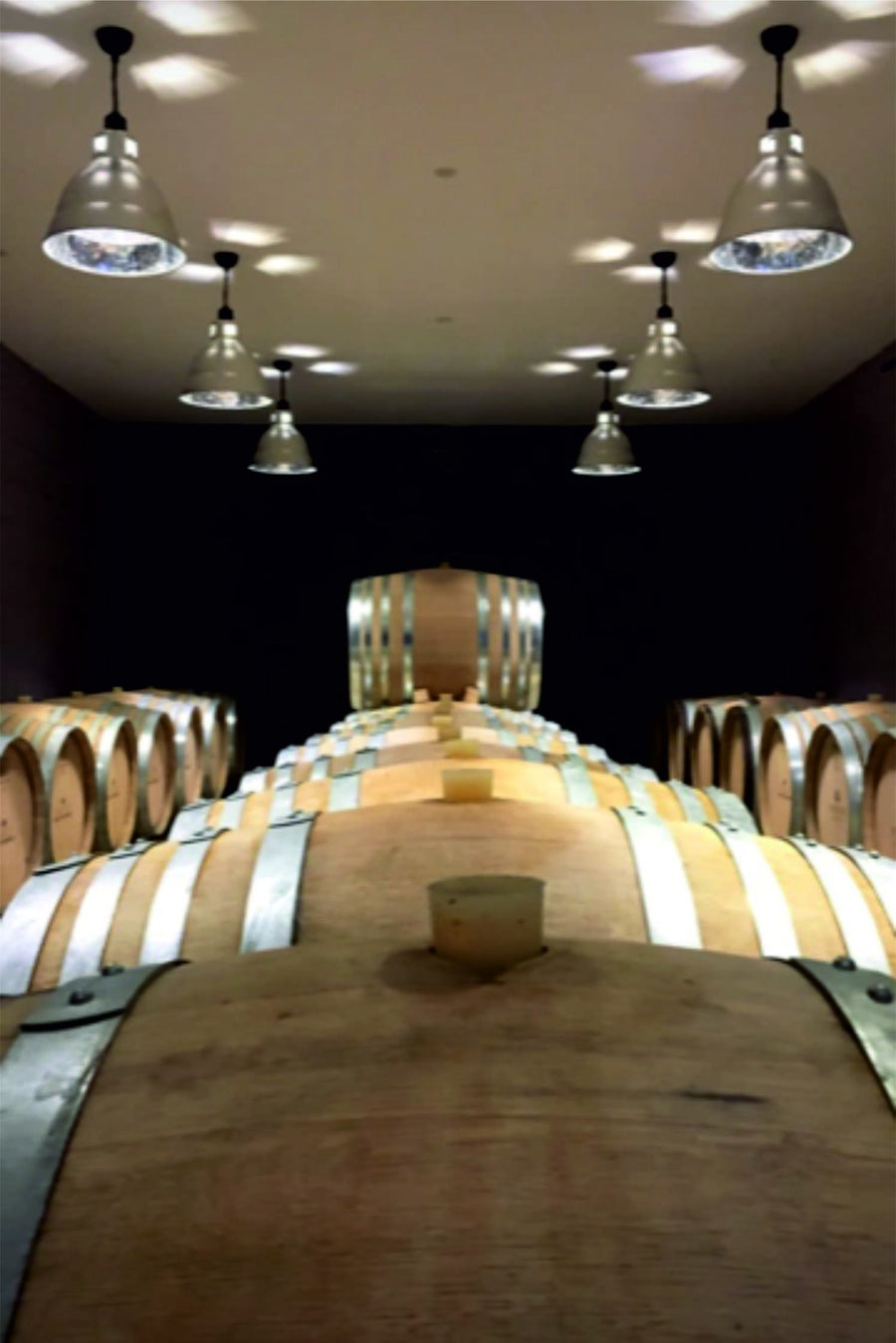
Wood chips are not allowed, so anyone who wants to age the wine on wood uses barrels. That ageing gives the wine fullness and balance. All our Coteaux age in oak; La Mule from Aurore & Florian Laval spends 24 months in barrels that previously held red wine.

In the glass

Red, white and rosé

  • RedA clear, light colour. Light and delicate, with a silky entry and usually red fruit.
  • RoséFrom pale pink to dark salmon, and just as light and delicate as the red.
  • WhiteClear and saline, with a mineral core and a natural freshness. Floral, fruity or mineral.

Every Coteaux is dry: it may contain at most 3 grams of sugar per litre.

At the table

Light red, creamy white

A red Coteaux is light and delicate, with red fruit and soft tannins. Think of poultry, veal or a mushroom dish.

The white and the rosé from Régis Poissinet and Coteaux L'Enclos from Liébart-Régnier have full malo and are round and creamy. They go with poultry or fish with a creamy sauce, rather than with raw shellfish.

Serving

Not too cold

Serve the white and the rosé from Régis Poissinet and Coteaux L'Enclos from Liébart-Régnier cool, around 10 to 12 °C. The red wines and La Mule from Aurore & Florian Laval show best between 14 and 18 °C. The temperature the house recommends is on the product page for each bottle.

Choose a wine glass with some room in the bowl, so that the aromas can develop.

Good to know

Frequently asked questions about Coteaux Champenois

What is Coteaux Champenois?

Still wine from Champagne, in red, white or rosé. It comes from the same area and from the same grapes as champagne, but is not sparkling. Since 1974 Coteaux Champenois has been an appellation in its own right.

Is Coteaux Champenois champagne?

No. Since 1927 only the sparkling wine from the region may be called champagne. A Coteaux Champenois gets no second fermentation in the bottle and so has no mousse.

Which grapes is it made from?

From the same grapes as champagne: Pinot Noir, Meunier and Chardonnay, and the rare varieties Arbane, Petit Meslier, Pinot Blanc, Pinot Gris and Chardonnay rose. With us you can taste Meunier, Pinot Noir, Chardonnay and Petit Meslier.

Why is there so little Coteaux Champenois?

It is only made in years when the harvest lends itself to a still wine, and only from the house's best grapes: healthy and fully ripe. That is why the quantity varies greatly from year to year.

What does Boursault mean on the label?

The name of the village the grapes come from may appear alongside the appellation. The Boursault Rouge from La Villesenière comes entirely from Boursault, in the Vallée de la Marne.

At what temperature do you serve Coteaux Champenois?

That depends on the wine. Serve the white and the rosé from Régis Poissinet and Coteaux L'Enclos cool, around 10 to 12 °C. Serve the red wines and La Mule from Aurore & Florian Laval between 14 and 18 °C. The product page shows the temperature the house recommends for each bottle.

Can you make a Coteaux Champenois from any plot?

It is allowed throughout the champagne region, but a good still wine is far from possible everywhere. The winegrowers use their best plots for it, on slopes with plenty of light, and usually their old vines. These bear fewer and smaller bunches and root deeply, which gives the wine more concentration and complexity.

Is Coteaux Champenois dry?

Yes. A Coteaux Champenois may contain at most 3 grams of sugar per litre, and it gets no dosage the way a champagne does.

Advice

Need help choosing?

Tell us who it is for and roughly what you want to spend, and we will help you choose. Or let the champagne finder pick a bottle for you in a few questions.

Email info@selectedbydronk.nl or WhatsApp us on +31 6 81 65 14 70.