

Kenmerken


Indruk
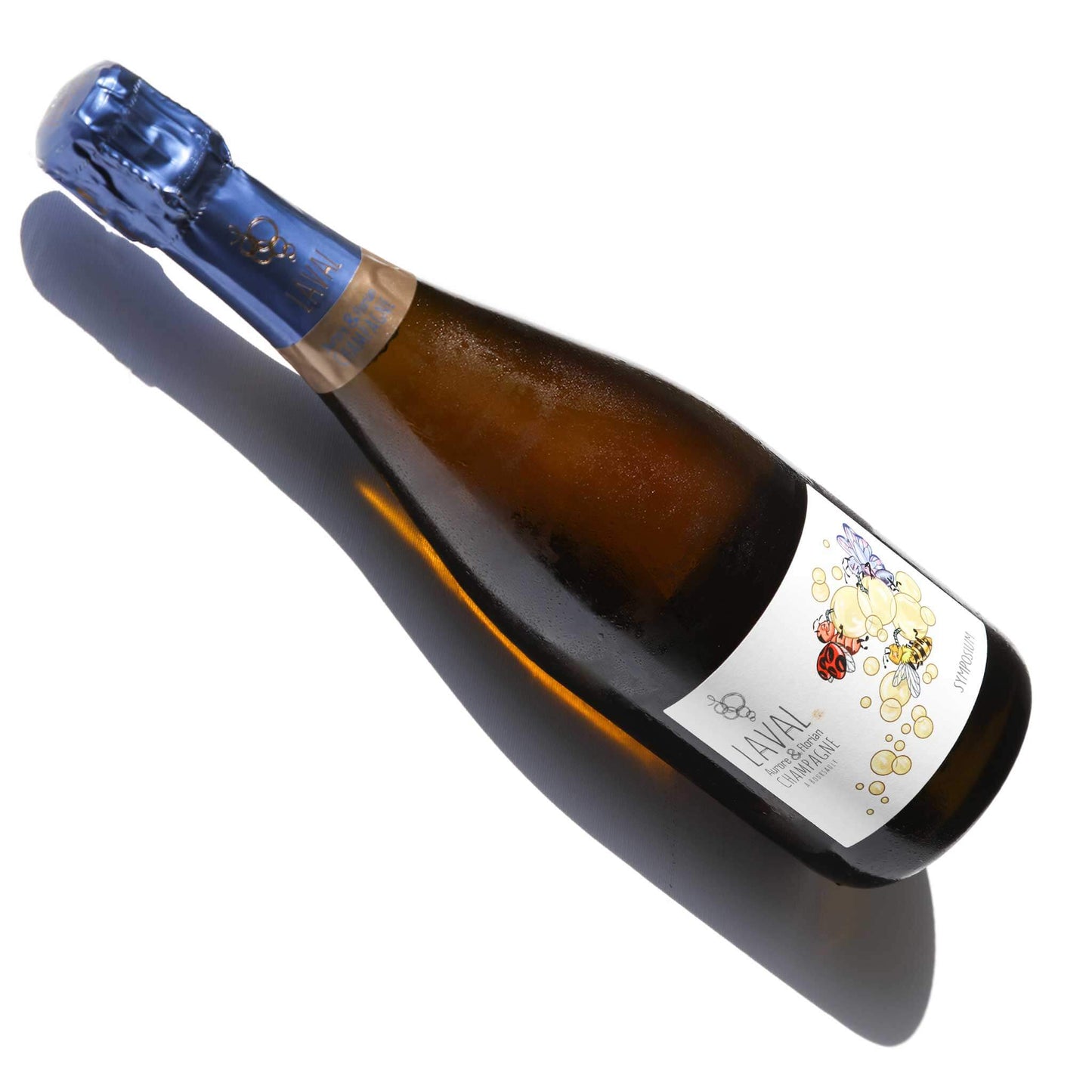
Golden yellow in color with copper hues. The nose offers a pleasant bouquet of apple, candied fruit, and a hint of licorice, with a sherry-like oxidation in the background. On the palate, it's fresh and vibrant. Spicy notes add depth to the flavor, while the subtle bubbles and silky texture create a well-balanced experience.
Serve between 8 and 10°C.
Store in a cool, dark place.Productieproces
For this Champagne, both the cuvée and the taille are used. The first 20.5 hectoliters from the press is the purest juice with a lot of sugar and acidity, which brings freshness and subtle aromas. To give the whole more depth, juice from the taille is added (juice from the second pressing of 5 hectoliters). This juice contains more coloring and adds intense aromas. About 40% of the wines are processed in stainless steel tanks, 50% in oak barrels, and 10% in concrete eggs. Malolactic fermentation is excluded. According to the lunar calendar, the wines were bottled in July 2023 and have spent approximately 16 months *sur lie* in the bottle.
What is biodynamic champagne?
Biodynamic champagne goes a step further than organic and follows the principles of Rudolf Steiner. This means that viticulture is aligned with the lunar calendar and natural preparations are used to strengthen the vineyard. Biodynamic champagnes are often more expressive and reflect the terroir even better. They carry labels such as Demeter or Biodyvin.
What is Blanc de Noirs Champagne?
Blanc de Noirs means "white from black grapes" and is made exclusively from Pinot Noir and/or Pinot Meunier. Despite the dark grapes, the champagne has a light color because the juice is pressed directly without maceration. Blanc de Noirs champagnes are often fuller, more powerful, and richer in flavor, with notes of red fruit, spices, and a creamy texture.
What is Extra Brut Champagne?
Extra Brut Champagne contains even less sugar than Brut, between 0 and 6 grams per liter. This results in an extra-dry style with pure, pronounced flavors. Extra Brut is popular with connoisseurs who appreciate a clean, mineral champagne with plenty of freshness.
What dynamics does wood give to Champagne?
When Champagne is aged in oak barrels, it adds extra structure, roundness, and complexity. The oak provides subtle oxidation, making the Champagne richer and fuller, with aromas of vanilla, toast, honey, and spices. This is often used in Champagnes with long aging and deep flavors.
Why are natural yeasts used in Champagne?
In Champagne, natural yeasts are used to enhance the wine's terroir expression, complexity, and authenticity. These indigenous yeasts, sourced from the vineyards and cellars, create unique fermentation characteristics and a richer flavor profile. This is especially favored by smaller and biodynamic producers, as it contributes to a pure and natural wine style. While some houses use commercial yeasts for consistency, the use of natural yeasts remains an important component of traditional and artisanal Champagne production.
Selected by us. Loved by you.
Hundreds of customers chose our personal selection.