


Kenmerken


Indruk
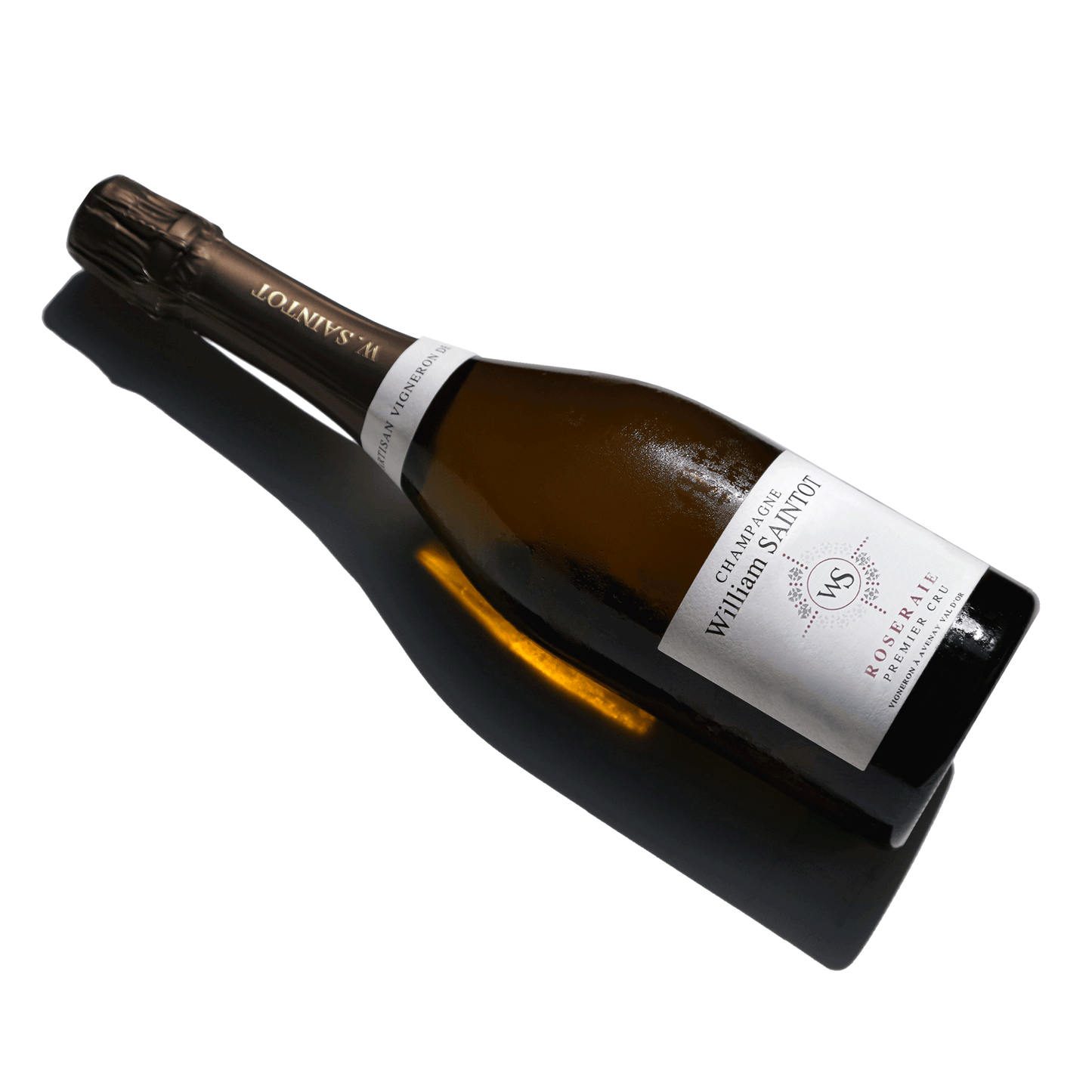
A bright red-pink color with abundant bubbles. The nose is full and vibrant with aromas of red fruit, citrus, and forest. The palate is fresh and structured with occasional spicy hints. The sultry aromas round out the finish. Delicious as an aperitif, but also pairs well with creamy cheeses.
Serve between 8 and 10°C.
Store in a cool, dark place.Productieproces
Approximately 60% of the wine was aged in oak barrels and 40% in stainless steel. Mixed malolactic fermentation was used, with some of the wine undergoing malolactic fermentation and some not, to preserve both freshness and complexity. The wine was bottled in 2021 and aged on lie for approximately 2.5 years. No filtration was used, allowing the wine to retain its full expression, natural structure, and depth of flavor.
How is Rosé Champagne made?
Rosé Champagne can be produced in two ways: the saignée method and the assemblage method. Both techniques give the champagne a pink color, but create different flavor profiles and textures. The saignée method uses only red grapes, such as Pinot Noir and Meunier. The grapes undergo a short maceration, during which the skins release color and aromas into the juice. This process typically takes anywhere from a few hours to a few days, depending on the desired intensity. Then, some of the pink-colored juice is drained ("saignée" means "bleeding" in French) and fermented separately into rosé Champagne. This results in a deeper color, intense fruity aromas of red fruits like cherries and raspberries, and a more powerful, structured style. The blending method is the most commonly used technique in Champagne. It involves adding a small amount of still red wine (made from Pinot Noir or Meunier) to the white base wine before a second fermentation in the bottle. The amount of red wine determines the final color and flavor of the rosé. This method produces a lighter, more elegant rosé, with refined fruit notes and a fresher, more balanced style. The Champagne shown here is made using the saignée method. This means it has a vibrant color, concentrated fruit notes, and a powerful structure. Its expressive style and depth make this Champagne particularly suitable for lovers of intense, characterful rosé.
Why aren't Champagnes filtered?
Champagnes are not filtered to preserve their refined aromas and complex flavors. During the traditional méthode champenoise, the wine undergoes natural clarification, during which yeast cells slowly break down (autolysis), contributing to a rich mouthfeel and elegant bubbles. Instead of filtration, the sediment is carefully removed through remuage and disgorgement, so the champagne retains its pure expression without losing delicate aromas. This process creates a champagne with greater depth, balance, and finesse.
What is Extra Brut Champagne?
Extra Brut Champagne contains even less sugar than Brut, between 0 and 6 grams per liter. This results in an extra-dry style with pure, pronounced flavors. Extra Brut is popular with connoisseurs who appreciate a clean, mineral champagne with plenty of freshness.
What dynamics does wood give to Champagne?
When Champagne is aged in oak barrels, it adds extra structure, roundness, and complexity. The oak provides subtle oxidation, making the Champagne richer and fuller, with aromas of vanilla, toast, honey, and spices. This is often used in Champagnes with long aging and deep flavors.
What dynamism does stainless steel bring to Champagne?
Stainless steel tanks create a clean, fresh, and fruity style because they eliminate oxidation. This preserves the acidity and enhances the citrus and mineral notes. This is ideal for champagnes that require a clean and elegant finish, without additional oak.
Meer informatie?
Selected by us. Loved by you.
Hundreds of customers chose our personal selection.