


Kenmerken


Indruk
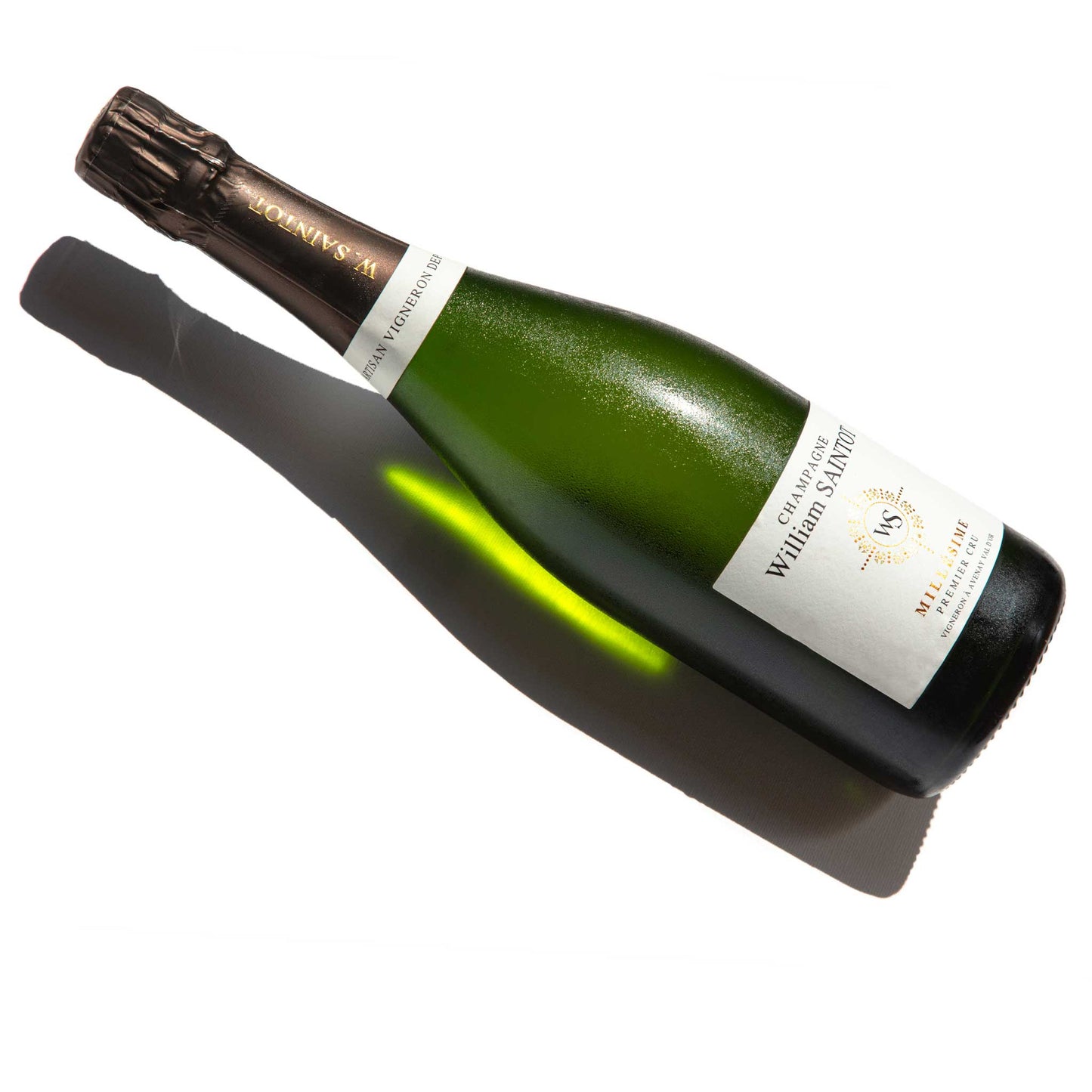
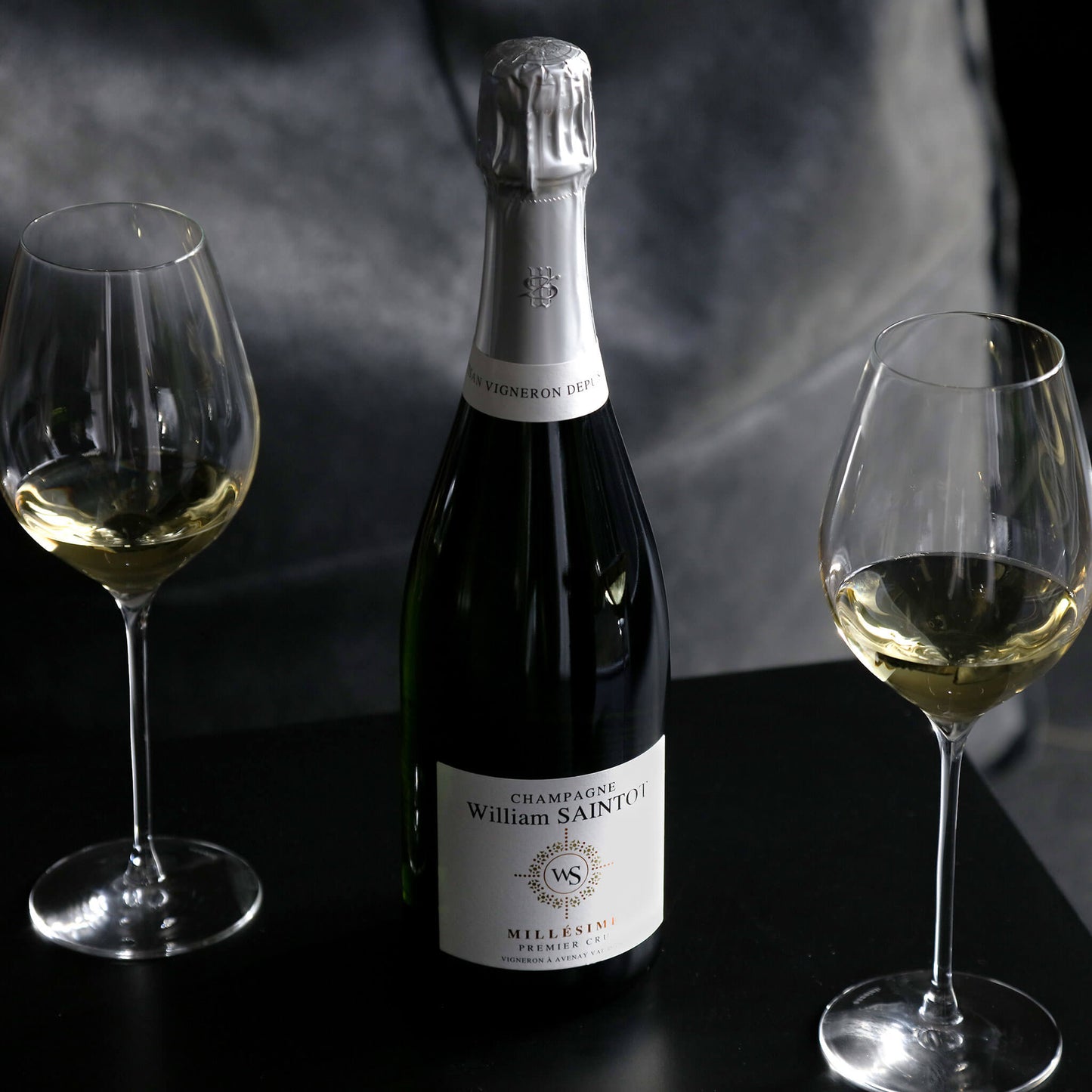
A brilliant golden color. The nose is complex, with aromas of ripe yellow fruits like apricots combined with sultry notes of dried fruit and brioche. The attack is broad with a creamy bubble supported by hints of candied fruit. Oak vinification imparts refined, grilled notes. The perfect accompaniment to exceptional dishes like foie gras, but also on its own, this vintage can make any occasion unforgettable.
Serve between 8 and 10°C.
Store in a cool, dark place.Productieproces
For this vintage, only the purest and most concentrated grape juices extracted during the first tender pressing are used. Of this, 72% is aged in old oak barrels. The bottles were bottled in 2019 and aged for approximately 48 months on the lees in the bottle.
What is a Millésime or Vintage Champagne?
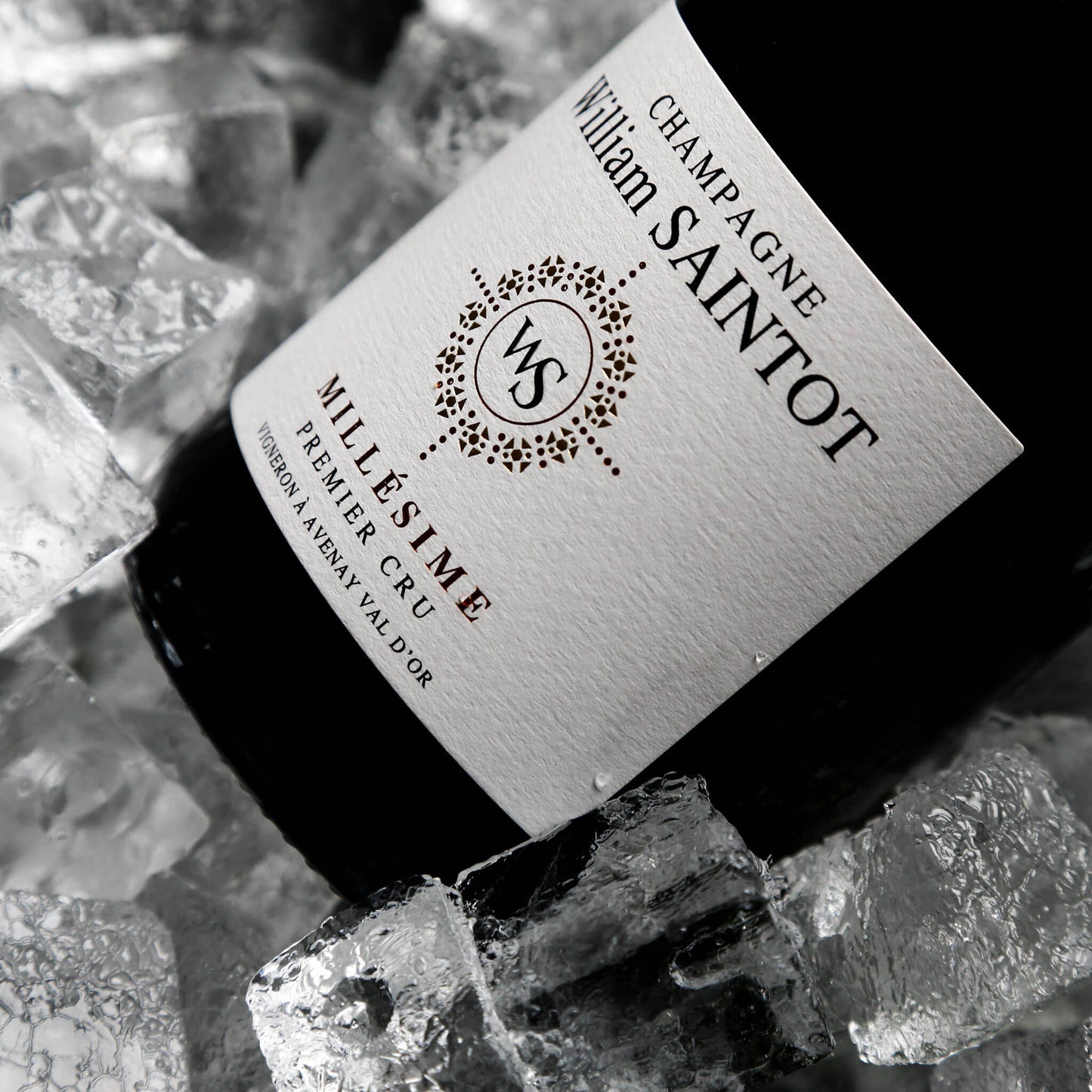
A Millésime (or Vintage Champagne) is made from grapes from just one exceptional harvest year and is aged in the bottle for at least three years. This type of Champagne perfectly reflects the climatic conditions of that particular year and often has a more complex and layered character than a non-vintage Champagne.
What is Brut Nature Champagne?
Brut Nature (also called Zero Dosage) is the driest Champagne style, with less than 3 grams of sugar per liter or no added sugar at all. This ensures an exceptionally pure expression of the terroir and grapes, with high acidity and a mineral, taut finish.
Why aren't Champagnes filtered?
Champagnes are not filtered to preserve their refined aromas and complex flavors. During the traditional méthode champenoise, the wine undergoes natural clarification, during which yeast cells slowly break down (autolysis), contributing to a rich mouthfeel and elegant bubbles. Instead of filtration, the sediment is carefully removed through remuage and disgorgement, so the champagne retains its pure expression without losing delicate aromas. This process creates a champagne with greater depth, balance, and finesse.
Why is malolactic fermentation not used in Champagne?
Malolactic fermentation is often avoided in Champagne to preserve the fresh acidity, pure grape expression, and long aging potential. This process, which converts malic acid into a softer lactic acid, can soften the lively freshness and add buttery notes, which is not always desirable. By eliminating malolactic fermentation, the Champagne remains tighter, fresher, and more resistant to aging, ideal for houses pursuing a mineral and precise style.
Meer informatie?
Selected by us. Loved by you.
Hundreds of customers chose our personal selection.